
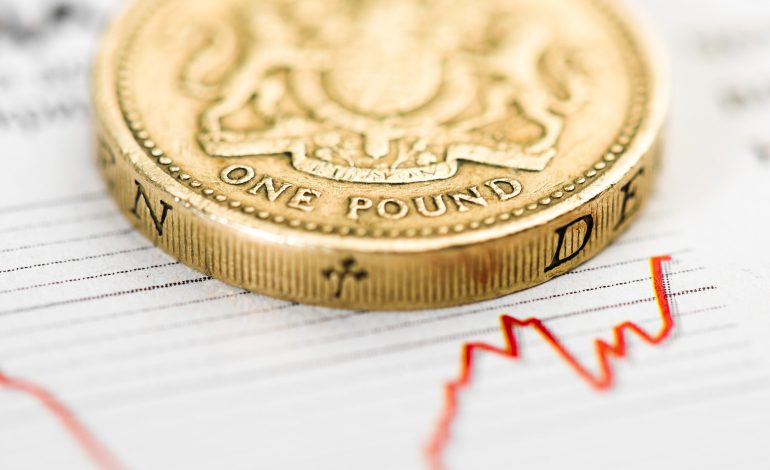
The British pound strengthened against the US dollar on Tuesday, reaching levels last seen before the Iran conflict, as investors grew hopeful about a potential resolution to tensions.
Sterling rose 0.33% to $1.3548, marking a return to levels recorded just before the conflict escalated in late February.
Against the euro, the pound remained largely unchanged at 87 pence.
The move comes as markets reacted to reports that negotiating teams from the United States and Iran could return to Islamabad later this week.
Iran tensions and shipping risks remain in focus
Despite optimism around renewed talks, geopolitical uncertainty continues to linger.
The United States has begun a blockade of Iran’s ports, a move that has angered Tehran and heightened concerns over the Strait of Hormuz, a key global shipping route.
The ongoing conflict has kept pressure on the pound, particularly due to Britain’s reliance on energy imports.
Oil and gas prices have surged during the crisis, weighing on the currency.
At the same time, the dollar had been strengthening as a safe-haven asset during the height of tensions.
However, recent hopes of de-escalation have led to a pullback in the US currency, offering support to sterling.
Analysts see temporary support for sterling
Nick Rees, head of macro research at Monex Europe, expressed his views on the current environment.
According to Reuters, Rees said, “In our view, this environment is actually quite constructive for the pound, not because anything’s actually improved.
We’re just seeing traders distracted away from some really quite nasty fundamentals, political fundamentals in the UK.”
However, he cautioned that the currency’s strength may not be sustained.
Rees noted that sterling is still expected to underperform in the coming months as investor focus shifts back to domestic political challenges.
Political risks in the UK weigh on outlook
Attention is likely to return to UK politics, particularly with local elections scheduled for early May.
Rees warned that the outcome could have significant implications for the ruling Labour Party.
As mentioned in a Reuters report, he said, “We do have those local elections coming up at the beginning of May, and we don’t think markets or indeed a lot of politicians have grasped quite how bad these could be for the Labour Party.”
He added that weak results could fuel speculation about a potential leadership challenge to Prime Minister Keir Starmer.
BoE outlook shifts amid energy price pressures
Investors are also closely watching signals from the Bank of England, with several officials, including Governor Andrew Bailey, scheduled to speak later on Tuesday.
Rising energy costs have prompted a shift in market expectations, with traders now moving away from rate cut bets towards potential rate hikes.
Money markets are currently pricing in at least one 25-basis-point rate hike in 2026, with a strong possibility of a second increase.
This comes even as most investors still expect the central bank to hold rates steady in the near term.
Bailey, however, has previously cautioned that markets may be overestimating the likelihood of rate hikes.
Earlier this month, he said investors were getting ahead of themselves in pricing tighter monetary policy.
Outlook remains uncertain
While the pound has benefited from easing geopolitical concerns and a softer dollar, its outlook remains tied to both global developments and domestic risks.
Markets will continue to monitor Iran-related negotiations, energy price trends, and political developments in the UK, all of which are expected to play a key role in shaping sterling’s trajectory in the coming months.
The post Pound climbs to pre-war levels as Iran talks boost markets appeared first on Invezz